Folklore Story: A Versatile Script Font for Editorial Design
Folklore Story is a script font that brings a sense of elegance and natural flow to editorial design. Its dainty and lovely appearance makes it ideal for a variety of publishing needs, from blog headers to printable guides. This font offers a unique visual character that can elevate the look of any content creation project.
Visual Characteristics and Style
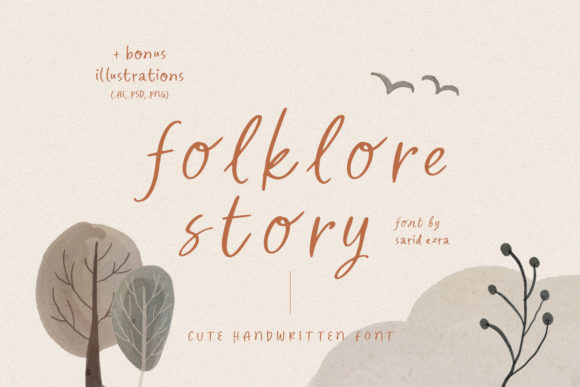
Folklore Story features a flowing, handwritten style that feels both organic and refined. The letterforms are delicate yet legible, with subtle variations in stroke weight that add visual interest without compromising readability. This makes it a great choice for headings, pull quotes, and other display text where a touch of personality is desired.
The font's gentle curves and soft edges give it a warm and inviting feel, making it especially well-suited for lifestyle, wellness, and creative content. It has a timeless quality that works across different design styles, from modern minimalism to traditional elegance.
Applications in Editorial Design
Folklore Story can be used in numerous ways to enhance the visual appeal of your publications. For instance, it works beautifully as a header font for blogs or magazines, adding a touch of sophistication to your titles. When paired with a clean sans serif font for body copy, it creates a balanced and professional layout.
In ebook design, Folklore Story can be used for chapter openers or section headings, helping to guide readers through the content with clear visual cues. It also looks great on quote graphics, where its flowing style complements the message being conveyed.
For newsletter writers and digital magazine designers, this font can be used to create eye-catching headlines or feature sections. Its versatility allows it to blend seamlessly into various layouts while maintaining a cohesive brand identity.
Readability and Practical Use
While Folklore Story is primarily a display font, it maintains good readability when used appropriately. It is best suited for shorter text elements such as titles, subtitles, and pull quotes rather than long paragraphs of body copy. When used for longer passages, it should be paired with a more readable font to ensure optimal legibility on screen and in print.
Consider using this font in PDF exports or print materials where its elegant style will stand out. On mobile layouts, ensure that the font size is large enough to remain legible without sacrificing the aesthetic appeal.
Font Pairing and Design Consistency
To maintain a harmonious visual hierarchy, pair Folklore Story with a complementary font. A modern serif font like Merriweather or a clean sans serif font like Lato can provide excellent contrast and balance. This combination helps to create a polished and professional look that supports both the visual tone and readability of your content.
When designing for a publication or brand, consistency is key. Using Folklore Story consistently across headings, logos, and promotional materials can help establish a strong brand identity. It adds a unique visual signature that sets your work apart from others.
Commercial Licensing and Usage
If you're creating digital products, ebooks, or printable materials for clients or customers, it's important to ensure that you have the appropriate commercial license for Folklore Story. Many fonts require specific licenses for use in paid publications, templates, or downloadable content. Always check the licensing terms to avoid any legal issues.
Whether you're designing a wedding guide, coaching workbook, or creator newsletter, having the right font license ensures that your designs are not only visually appealing but also legally sound.
Practical Examples in Content Creation
Folklore Story shines in projects that benefit from a personal and artistic touch. For example, a lifestyle blog might use this font for post titles and featured sections, giving the content a more curated and expressive feel. In a recipe ebook, it could be used for chapter titles or ingredient lists, adding a charming visual element.
A wedding guide could feature Folklore Story for event names or invitation designs, while a coaching workbook might use it for chapter headings or motivational quotes. In a digital magazine, it can serve as the primary font for headlines and section titles, enhancing the overall editorial experience.
For printable planners or worksheets, this font adds a decorative yet functional element that encourages engagement. Its presence in these materials can make them feel more personalized and approachable.
Conclusion
Folklore Story is a valuable addition to any designer's toolkit. Its elegant and flowing style makes it perfect for a wide range of editorial applications, from blog headers to ebook titles. By understanding how to use this font effectively, you can enhance the visual appeal and reader engagement of your content creations.